







Why a Browser Extension Wallet Like Rabby Changes How I Use DeFi (And Why You Should Care) Leave a comment
Whoa! The first time I used a browser extension wallet it felt like unlocking a new part of my browser. Short. Sweet. Powerful. My instinct said: this could be risky. Hmm… something felt off about granting permissions to a tiny icon next to my address bar. Initially I thought browser wallets were just convenient pop-ups for trading, but then I realized they are full-blown wallets — key management, transaction signing, and site permissions all living inside your browser, which is both liberating and dangerous.
Okay, so check this out — browser extension wallets have matured. They used to be clunky and single-purpose. Now some, like Rabby, focus on security features specifically tailored to DeFi users who hop across DEXs, bridges, and yield farms. I’m biased, but that matters. I’m also practical: I want a wallet that helps me avoid dumb mistakes as much as possible, because in crypto, a small slip can be irreversible.
Here’s the thing. A browser extension wallet sits between you and web3 sites. It reads the sites you visit and prompts you to sign. That means the wallet’s UX, permission model, and safety nets are front-and-center. If those are weak, you’re exposed. If they are strong, you get frictionless DeFi access without sacrificing basic protections. On one hand, extensions are extremely convenient. On the other, browsers are not secure enclaves like hardware wallets — though with the right patterns, they can be acceptably safe for many daily tasks.
What actually makes Rabby different (practical breakdown)
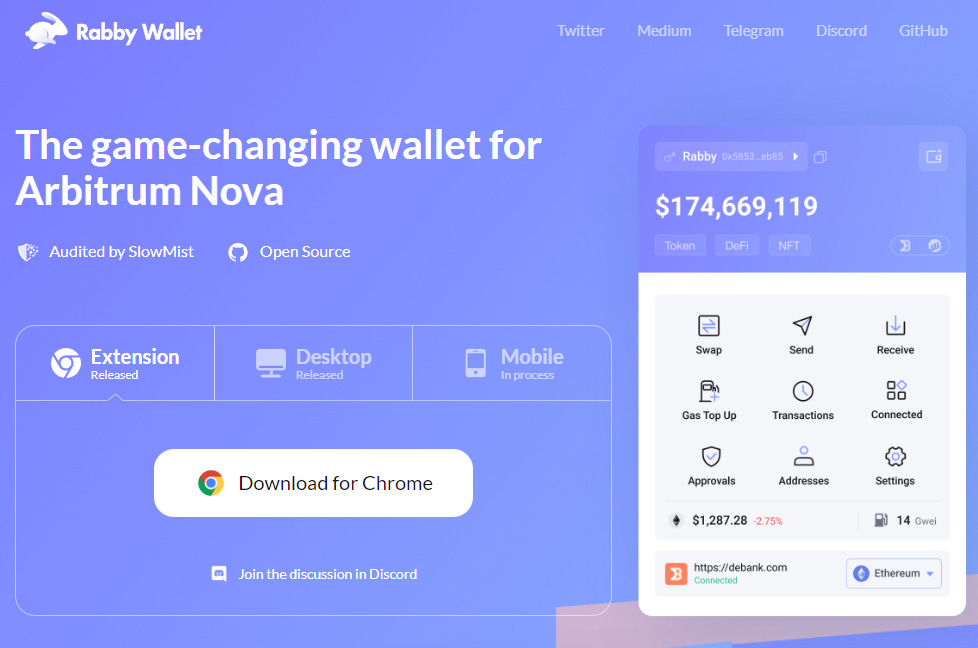
Seriously? Yes. Rabby isn’t just another wallet skin. It adds small, practical features that change user behavior. For example, it surfaces destination chain and token allowance details clearly before you sign. That pause is a safety guard. It also separates ‘session’ approvals from permanent allowances, so you don’t accidentally give infinite token approvals to a contract you’ve only used once.
My first impression was: nice UI. But then the clarity hit me — the prompts force you to think before clicking accept. Initially I thought that was just design polish. Actually, wait—let me rephrase that: that design choice reduces cognitive load at the precise moment you might otherwise rush. On a careless day, that saved me from a very bad approval I would’ve made on autopilot.
Another plus: Rabby supports multiple accounts and makes it easy to switch networks while preserving context, so you’re less likely to sign a transaction on the wrong chain. That feature matters when you jump from an L1 to an L2 or a testnet — somethin’ I learned the hard way. You can also pair it with hardware wallets to keep keys offline, which is something I always recommend for larger balances.
Security behaviors that actually work (not just theory)
First: assume your extension can be tricked. That sounds dramatic, but it’s practical. On one hand, browser extensions can be updated or impersonated. On the other hand, good wallets provide observable cues and confirmable transaction data. The trick is to build habits around those cues.
Habit 1: Always check the contract address and requested allowance. This is obvious, but very very important. Habit 2: Use hardware wallet integration for big moves. Habit 3: Keep a small operational balance in your extension and move long-term holdings to cold storage. Habit 4: Update the extension and verify its source before installing. (If something about the install page looks off, don’t proceed.)
I’ll be honest — I used to ignore granular allowance settings because they felt tedious. That part bugs me. But after a near-miss where a dApp requested infinite approval, my behavior changed. The wallet’s UI nudged me toward a safer choice, and I changed my default. Human nature is lazy sometimes, so product design that defaults to safer choices reduces risk without relying on perfect user discipline.
How to think about permissions and phishing (quick mental model)
Hmm… here’s a simple mental rule I use: every permission request asks two things — do you expect this action, and could this action drain value? If the answer to either is no, pause. Really pause. Browser wallets can show token allowances, chain targets, and method signatures. If those details are absent or confusing, that’s a red flag.
On some days I feel paranoid. On others, I’m pragmatic. That swing is normal. What helps is a checklist: origin verification, allowance size, chain correctness, transaction summary, and post-approval visibility. If any of those are fuzzy, I close the dApp and re-evaluate. It’s not glamorous, but it saves money.
Rabby in practice — my small experiment
So I did a little experiment. I set up Rabby as my daily driver for swaps and bridging small amounts. The setup was quick. The UI explained permissions in plain language. The first time a dApp asked for approval, Rabby highlighted the token allowance and offered a limited approval option. That nudged me to choose the safer path.
On the other hand, there were moments when I wanted a one-click flow for convenience and Rabby made me click a few more times. At first that annoyed me. But then I realized the extra clicks are a safety tax — worth paying. Something felt different; my brain stopped treating confirmations like speed bumps and started treating them like stop signs. Small change, big payoff.
Also: Rabby has a built-in ledger integration that worked smoothly. I plugged in a hardware device and confirmed transactions there, giving me the best of both worlds: browser convenience with cold-key security. I’m not 100% sure that everyone needs a hardware wallet for small trades, but if you’re moving any meaningful capital, it’s non-negotiable for me.
Where Rabby could still improve
On one hand the clarity is great. Though actually, the permission dialogs could use more plain-English explanations for non-technical folks — not just method signatures. On the other hand, spending too much UI real estate on explanations can bloat the extension. It’s a balance.
Also, cross-device session management felt a touch manual. I wanted a cleaner way to revoke session approvals in bulk, something that shows “recent approvals” with one-click revoke. Rabby has some of this, but it could be more discoverable. Little things add up when you’re managing multiple dApps across networks.
How to install safely (short checklist)
Seriously — install from the right source. Use official links or verified stores. For quick access, here’s the one place you can go to get the extension: rabby wallet download. Verify the publisher, check reviews, and confirm the extension permissions before enabling it.
Pair with a hardware wallet for anything above “play money.” Revoke unused token approvals. Keep a separate browser profile for DeFi to reduce exposure from everyday browsing. These are small behavioral shifts that compound into real security improvements.
FAQ
Is a browser extension wallet secure enough for daily DeFi?
Short answer: yes, with caveats. If you’re trading small amounts and follow good hygiene — verified installs, limited allowances, hardware wallet for big moves — an extension wallet is fine. But if you’re holding large balances, combine it with cold storage. My instinct says: treat browser wallets as your operational account, not your bank vault.
Can Rabby be used with hardware wallets?
Yes. Rabby integrates with hardware devices, so you can approve transactions on your device while keeping the convenience of a browser interface. That combo reduces the attack surface and keeps private keys offline for high-risk actions.
What features should I look for in a DeFi browser wallet?
Look for clear allowance management, network-awareness, hardware wallet support, easy approval revocation, and transparency in transaction requests. Bonus: clear language and nudges that prevent common mistakes. If a wallet forces you to re-check things, it’s probably trying to help.
Okay — here’s the closing thought: my emotional arc started with curiosity and a bit of skepticism, moved through surprise at small usability wins, and landed on cautious optimism. I’m still picky. I like tools that force safer decisions without being annoying. Rabby does that enough for me to keep it in my daily toolkit, though I’m always watching for edge cases and updates. Somethin’ about this space keeps you humble — and that humility is useful.