



Why Phantom Became My Go-To Solana Browser Wallet Leave a comment
Okay, so check this out—my first time poking around Solana felt like walking into a concert with no map. Whoa! Wallets everywhere, NFTs flashing, and dapps asking to connect before I even knew their names. My instinct said: be careful. Something felt off about handing over permissions to anything that popped up. But then I found a browser extension that actually made sens e—smooth, fast, and oddly friendly: Phantom.
I’ll be honest: I’m biased toward tools that treat UX like a first-class citizen. Phantom gets that. Short story—installation is quick, the UI is clean, and the wallet integrates with most Solana dapps with minimal fuss. The extension sits in my browser toolbar and behaves like a normal web interaction, not some clunky blockchain app. On one hand it’s just a bridge between your keys and the web; though actually, the quality of that bridge matters a lot when you’re moving NFTs or paying gas for a mint.
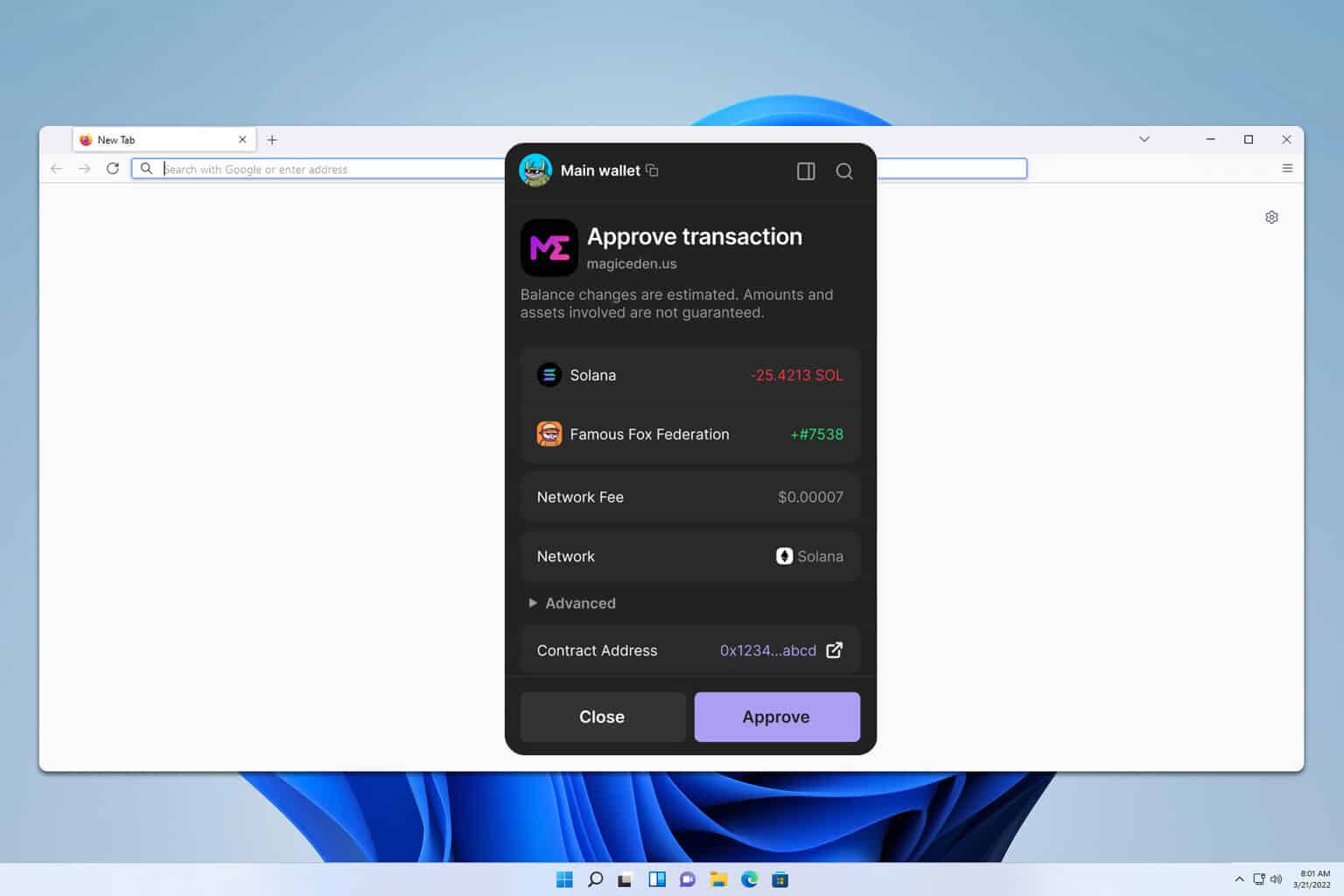
At first I thought any wallet would do. But I kept bumping into small frictions—confusing confirmations, slow transaction times, odd permission prompts. Phantom reduced those frictions. Really? Yep. It batches transaction details in readable language, shows fee estimates, and lets you choose between different signing flows. That sounds small, but when you’re doing multiple NFT mints or trading on a DEX, those small things add up.
What Phantom does well (and what still bugs me)
Speed. Phantom mirrors Solana’s core strength: transactions are fast and cheap. The extension is lightweight, and approval dialogs pop up quickly. My gut said this would be clunky; it wasn’t. Also, the NFT viewing experience is decent—thumbnail grids, metadata, and quick links to inspect tokens on-chain. It’s very useful when you’re juggling collections.
Security-wise, the extension keeps your seed phrase local. That’s the baseline—good. Phantom also supports hardware wallets like Ledger for an extra layer. Use the hardware integration if you hold serious assets. Seriously, use it. On the other hand, the one thing that bugs me is permission management: dapps sometimes request broad access, and it’s not always obvious which permissions are safe to grant. Be strict. Revoke permissions you no longer need.
Initially I thought the wallet’s onboarding was too minimal. Actually, wait—minimal is part of the charm. The trade-off is that beginners may miss nuances about seed phrases and phishing. So here’s the practical part: write down your seed phrase on paper, store it somewhere safe, and never paste it into a website. If any page asks for your phrase, close the tab immediately. Phishing is the single biggest risk in browser extensions; vigilance beats convenience every time.
How I use Phantom for NFTs
I primarily use Phantom for NFT drops, secondary-market trades, and as a quick way to inspect token metadata. When a mint goes live, speed matters. Phantom’s confirmation dialog is fast and shows the exact amount of SOL you’ll spend, plus network fees. That transparency helps avoid surprise spends.
Also, there’s the “collections” mentality. Phantom’s NFT display won’t replace a full-featured collector tool, but it’s great for quick check-ins. Oh, and by the way—if you’re flipping or managing a portfolio, pair Phantom with a block explorer to verify contract addresses and token details. Don’t rely on UI alone.
Thing to remember: not all NFTs are created equal. Some metadata links point to centralized servers that can vanish. When you buy an NFT, check where the metadata and artwork are hosted—IPFS is better than a random web host, though nothing is foolproof. My instinct said “decentralize,” and that usually holds up in practice.
Connecting to dapps safely
Connecting Phantom to dapps is straightforward: a connect request pops up and asks for approval. Pause before you click. Whoa—read that permission box. Does the dapp ask to sign transactions automatically? Is it trying to move tokens? Only approve what you understand.
For browser extensions, limiting exposure reduces risk. Create a fresh wallet for experimenting with new or small-value dapps. I use a separate “play” wallet when I’m testing. This keeps my main holdings isolated. Also, clear out approved sites periodically—revoke access to anything you no longer use.
FAQ
Is Phantom safe for holding NFTs and SOL?
Yes, generally. Phantom stores your seed phrase locally and supports hardware wallets like Ledger for added protection. But safety depends largely on your behavior: avoid sharing seed phrases, verify dapp URLs, and consider hardware wallets for large balances.
Can I recover my wallet if I lose my device?
Yes—using your seed phrase. When you set up Phantom you are given a recovery phrase; keep it secure and offline. If you lose access to your device, restore the wallet in another compatible Solana wallet using that phrase. If you lose the phrase, you lose access—no one can recover it for you.
Does Phantom work with hardware wallets?
Yes, Phantom supports hardware wallets like Ledger, which is a smart option for higher-value holdings. Use the hardware option when possible; it signs transactions on the device, so the private key never leaves the Ledger.
Okay, so here’s my practical takeaway—if you want a clean, browser-first Solana wallet that’s friendly for NFTs and everyday dapp use, phantom wallet is a strong contender. It’s not perfect. There are phishing risks, occasional permission confusions, and the usual trade-offs between simplicity and depth. But for me, those trade-offs tilt toward confidence and speed—two things I value when markets move fast.
One last note—keep learning. The Solana ecosystem moves quickly. Features shift, new wallet integrations appear, and scams evolve. My advice: stay skeptical, use hardware for real stakes, and keep your recovery phrase offline. I’m not 100% sure we’ll have a single “perfect” wallet anytime soon, but Phantom is one of the better bridges between everyday browsing and the Solana chain. Somethin’ tells me it’ll keep getting better—and if it doesn’t, well—there are options. For now, it’s the extension I trust for day-to-day NFT and SOL interactions.